
















Explore the technology trends shaping operations in 2026, from AI and automation to data-driven decision-making and smarter workflows.
If there’s one thing most business leaders agree on, it’s that nowadays technology shapes how your operation works. By 2026, that reality becomes even more obvious. The difference between companies that move forward and those that fall behind won’t be about who has the fanciest tools, but who understands how technology fits naturally into everyday work.
The shift isn’t about futuristic robots or magic solutions, it’s about tools that make common problems easier, clearer, and faster.
1. AI as a Tool for Everyday Work
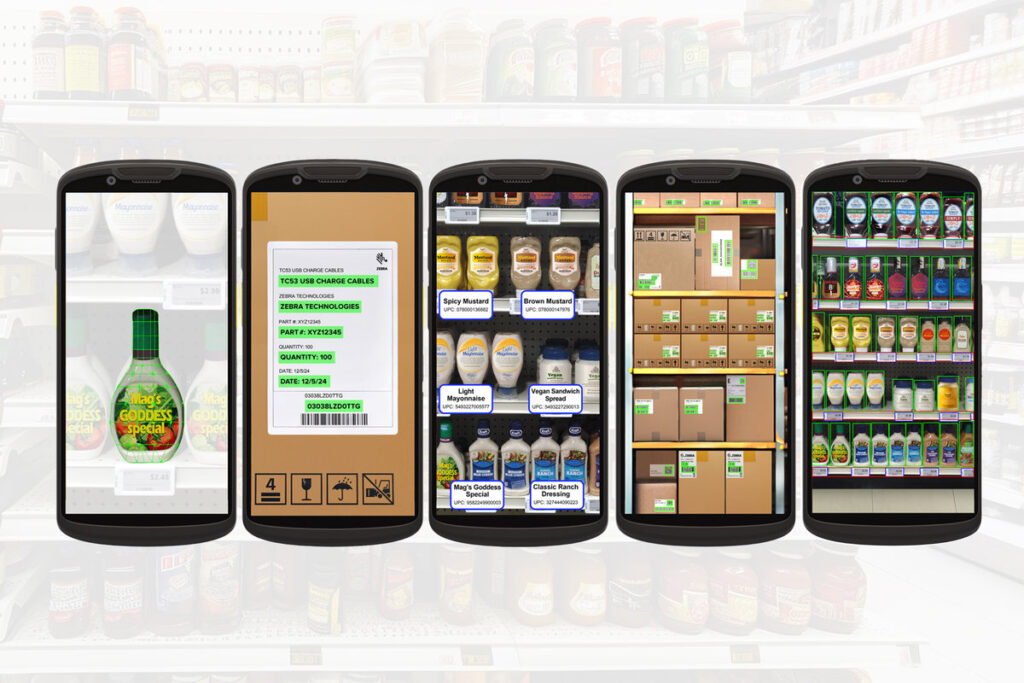
AI used to sound abstract. Now, it’s embedded in devices you hold, solutions you already use, and workflows millions rely on. In 2026, AI won’t feel like a separate project, it will feel like a teammate that helps people make better decisions without asking much back.
For instance, Zebra is already embedding AI into frontline devices like mobile computers, scanners, wearable computers, etc. So the data you receive is interpreted right away instead of being processed somewhere else. As simple as the information showing up when it’s needed.
Through MultiSystems implementations, this intelligence shows up in very practical ways, identifying inventory issues early, highlighting process bottlenecks, and helping supervisors respond before small problems become costly disruptions.
2. Mobile Computers For Everyday Operations
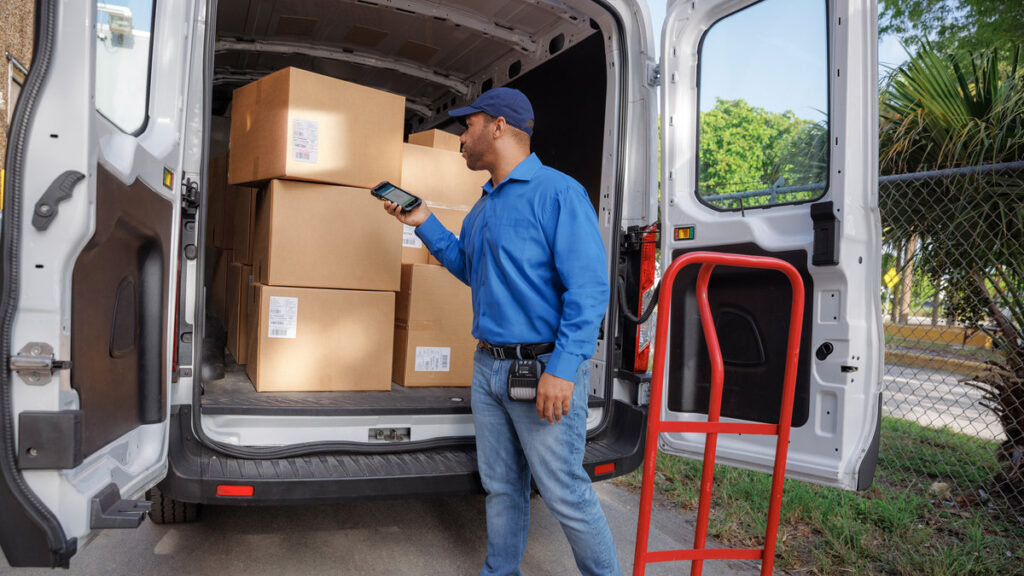
By 2026, what was once optional is now essential.
In many operations today, workers still pause to confirm information, walk back to a terminal, or wait for a system to update. Those pauses don’t show up clearly on reports, but they add up quickly. Zebra’s own warehouse and frontline studies consistently show that when data capture happens at the point of work, (not after) productivity and accuracy improve at the same time.
Zebra mobile computers are built around that idea. They are designed to remove the gap between physical work and digital systems just by capturing data at the exact moment an action happens. When an item is picked, a pallet is moved, or a delivery is confirmed, Zebra mobile computers connect scanning, confirmation, and system updates into a single step.
3. RFID For Real-Time Visibility
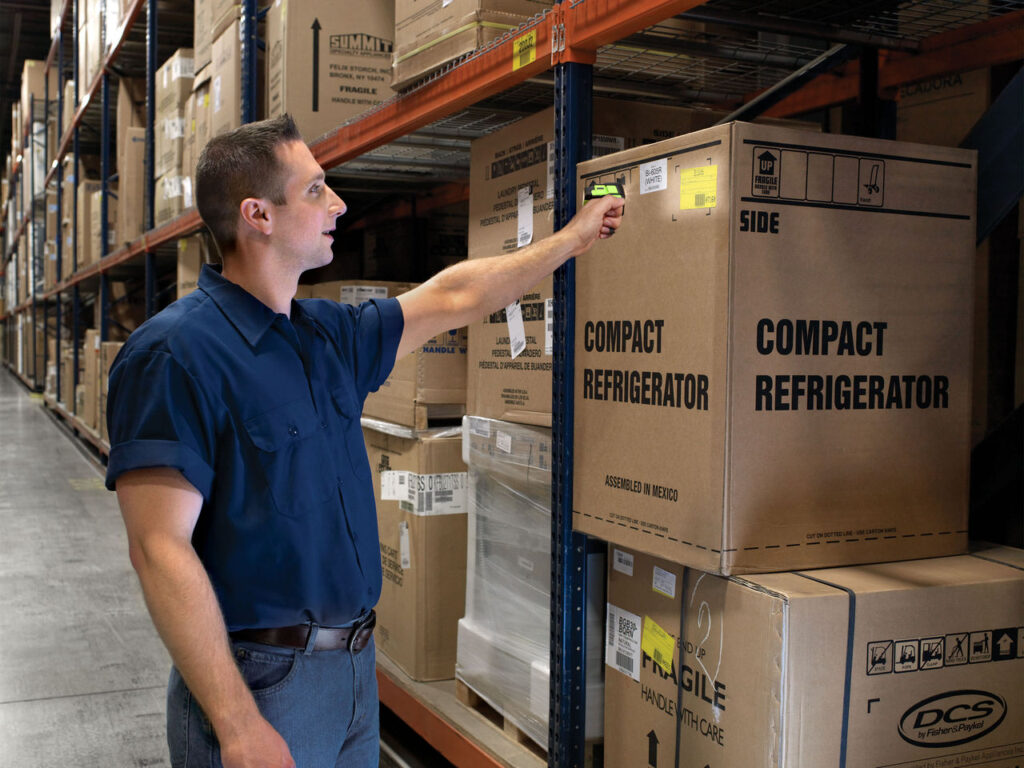
RFID changes operations by removing the need to stop and check.
Instead of asking workers to scan items one by one or perform manual counts, RFID allows systems to recognize what’s moving automatically. What this means in practice is that systems no longer rely on periodic updates or assumptions. Inventory levels stay accurate because they update as things move.
Zebra’s Warehouse Vision Study shows that organizations using RFID report inventory accuracy levels of 95% or higher, compared to significantly lower accuracy with manual or barcode-only processes.
4. WMS: How Workflows Stop Living on Paper
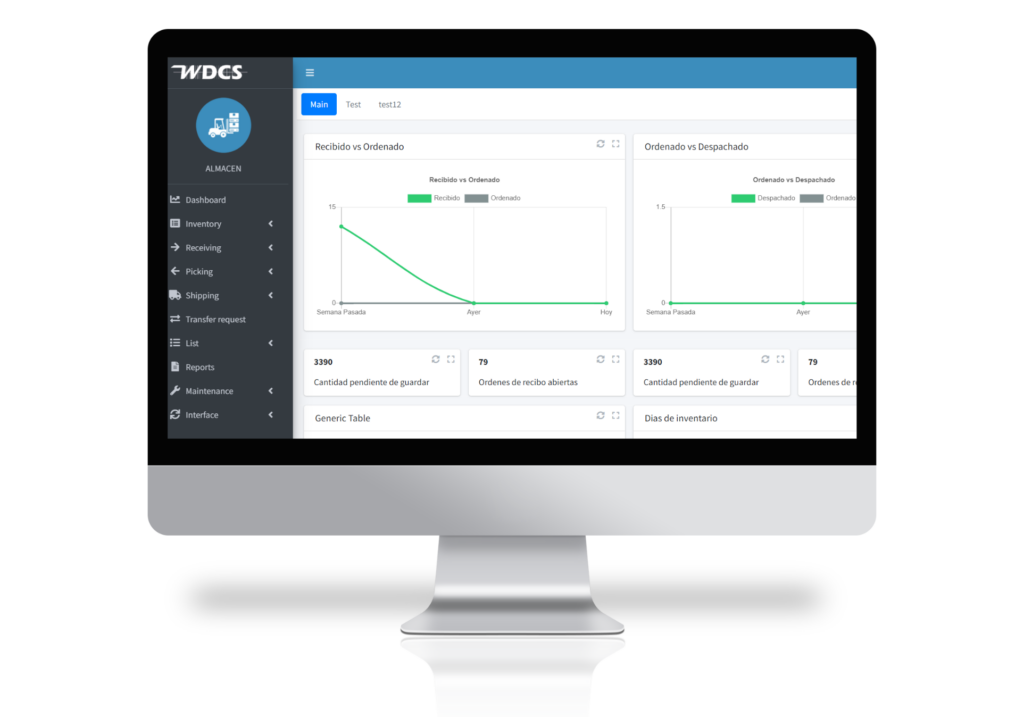
WDCS improves operations by controlling work at the moment it happens. Tasks are assigned in sequence and each action is confirmed immediately. Inventory updates the second a movement occurs. If something is wrong, the system stops the process before the error moves forward. This removes the most common cause of operational failure: discovering problems too late.
Zebra’s research on warehouse execution shows that real-time, mobile-directed workflows significantly reduce rework and improve order accuracy because workers are guided step by step, not left to interpret instructions. WDCS applies that principle across the entire operation.
By 2026, operations that rely on paper, spreadsheets, or delayed confirmations will fall behind. Not because they lack effort, but because their systems react too late.
5. Machine Vision: When Speed Exceeds Human Limits
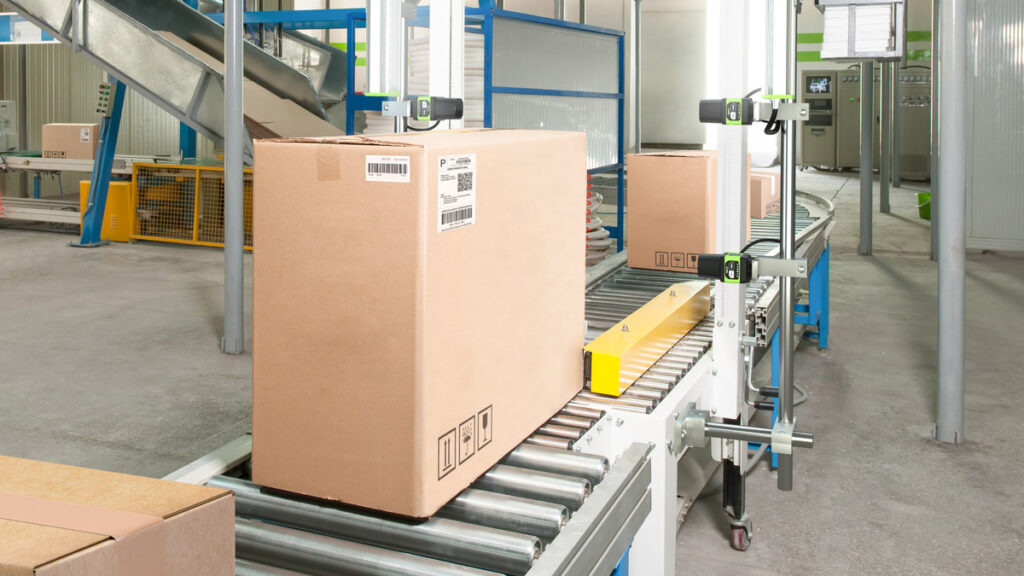
Machine vision keeps flow intact while maintaining control.
Machine vision exists because people cannot scan, inspect, or verify at conveyor speed forever. Zebra machine vision and fixed industrial scanning systems capture barcodes, verify labels, and inspect items automatically as they move.
Zebra’s vision solutions are used to:
- Capture barcodes on high-speed conveyor lines
- Verify labeling and compliance automatically
- Detect errors before products move downstream
In environments with high throughput, this removes one of the biggest sources of inconsistency. The same checks happen on the first shift, the last shift, and every shift in between. Accuracy doesn’t depend on pace or fatigue. Meaning that Machine Vision becomes more important in 2026 because volume keeps increasing, but labor availability doesn’t.
What changes by 2026 isn’t the presence of technology. It’s the role it plays.
The tools that matter are the ones that stay close to the work itself. They capture actions as they happen, guide people in real time, and surface problems early, while there’s still time to fix them. When systems reflect reality, operations become calmer, more predictable, and easier to manage.
