















In today’s hyper-competitive market, “close enough” isn’t good enough for inventory. Companies are under massive pressure to be faster and more accurate, yet many are still held back by the 50-year-old limitations of the barcode. Enter RFID (Radio Frequency Identification). RFID Inventory Management is no longer a futuristic “maybe” technology; it’s the engine behind a massive shift in how we track, move, and sell products. From retail giants to life-saving healthcare, RFID is turning invisible operations into real-time data.
What Is RFID And Why Should You Care?
At its core, RFID uses radio waves to identify tagged items automatically. But here’s the gamechanger: It doesn’t need a direct line of sight.
Unlike a barcode, which requires a human to find a label and pull a trigger, RFID can “see” through packaging. You can scan an entire pallet of mixed goods in seconds without ever opening a box. This isn’t just a minor upgrade; it’s the difference between counting inventory once a year and knowing exactly what you have every single morning.
The Numbers Speak for Themselves…
The shift toward RFID Inventory Management isn’t just a trend, it’s a survival tactic. Organizations that ditch the clipboard for automation are seeing measurable, “bottom-line” results:
- Near-Perfect Accuracy: Inventory precision jumps to 99.5%, virtually eliminating those “we thought we had it in the back” moments.
- The End of the “Out-of-Stock”: Out-of-stock situations drop by 60% to 80%, keeping shelves full and customers happy.
- Counting in Minutes, Not Days: Cycle count times are slashed by 75% to 90%. A job that used to kill a whole weekend now happens during a coffee break.
- Real Sales Growth: Better availability leads directly to more revenue—often a boost of 4% to 21%.
RFID in the Real World: Beyond the Warehouse
The “Walmart Effect” Why the Retail Giant is Moving the Needle
When a powerhouse like Walmart mandates RFID, the entire global supply chain feels rippling. This isn’t just another compliance hop for suppliers to jump through; it’s a calculated move to solve the “visibility gap” that traditional barcodes simply can’t bridge.
The Problem with the Status Quo Traditional barcode systems is struggling to keep up with the 2026 retail environment. Because they require manual, line-of-sight scanning, they are inherently prone to human error and major inefficiencies. In a high-speed warehouse, stopping to scan every single item by hand isn’t just slow; it’s a bottleneck.
A New Standard for Accuracy Walmart is now requiring RFID for new products as the backbone of a broader digital transformation. By moving to item-level tracking, they are achieving:
- Near-Perfect Real-Time Tracking: Unlike barcodes, RFID gives an instant “bird’s-eye view” of inventory as it moves from the loading dock to the shelf.
- Faster “Everything”: From receiving and picking to daily inventory counts, operations that once took hours now happen in seconds.
- The Omnichannel Backbone: This visibility is the secret sauce for services like Buy Online, Pick Up In Store (BOPIS) and Ship-from-Store. To make those work, you must be 100% certain that the item shown on the website is sitting on the shelf.
By standardizing RFID across its massive supplier network, Walmart isn’t just fixing its own inventory, it’s modernizing the industry. This shift ensures better product availability, slashes out-of-stock frustrations, and ultimately creates a frictionless experience for the customer.
Healthcare: When “Real-Time” Saves Lives
In a hospital, a “lost item” isn’t just a line item on a budget, it’s a potential crisis. While retailers use RFID to sell more shirts, healthcare is using it to build a fail-safe environment for patients and staff alike.
1. The End of the “Equipment Scavenger Hunt”
It is estimated that nurses spend up to 6,000 hours a month simply looking for equipment. By tagging everything from infusion pumps to ventilators, hospitals eliminate the “scavenger hunt.” When a patient needs a crash cart, the staff knows exactly where the nearest one is—down to the specific room, saving precious seconds when they matter most.
2. Smart Cabinets & Medication Safety
One of the biggest shifts is the rise of RFID Smart Cabinets. These aren’t just storage units; they are digital guardians.
- Automated Dispensing: When a nurse pulls a vial, the cabinet logs it instantly. No manual paperwork, no human error.
- Expiration Alerts: The system tracks “use-by” dates in real time. It can alert pharmacy staff before a drug expires, reducing waste and ensuring no patient ever receives an out-of-date medication.
- Controlled Substances: RFID provides an tamper-proof audit trail for high-value or restricted drugs, significantly reducing the risk of theft or “shrinkage.”
3. Error-Free Patient & Specimen Tracking
Misidentification is a leading cause of medical errors. With RFID Inventory Management RFID-enabled wristbands ensure that the “Right Patient” always gets the “Right Dose.” In the lab, the impact is even more dramatic. Traditional labels can fall off or be misread, but RFID tags on blood samples and biopsies maintain a digital chain of custody. This has led to a 75% decrease in lost specimens, ensuring that life-altering diagnoses aren’t delayed by a lost tube.
4. Sterile Processing & Surgical Safety
Ever wonder how hospitals track thousands of surgical tools? RFID tags can now withstand the extreme heat of an autoclave. This allows hospitals to track the sterilization cycles of every individual instrument. It also acts as a final safety check in the OR, ensuring that no sponge or tool is accidentally left behind after a procedure.
Final Thoughts: It’s a Necessity, Not a Luxury
The “barcode era” isn’t over, but operations are evolving.
RFID Inventory Management is now more accessible, reliable, and cost-effective than ever before, helping businesses connect their people, assets, and data in ways manual processes simply can’t.
Whether your goal is to improve efficiency, reduce labor costs, or gain better control over your inventory, RFID provides a faster path to smarter operations.
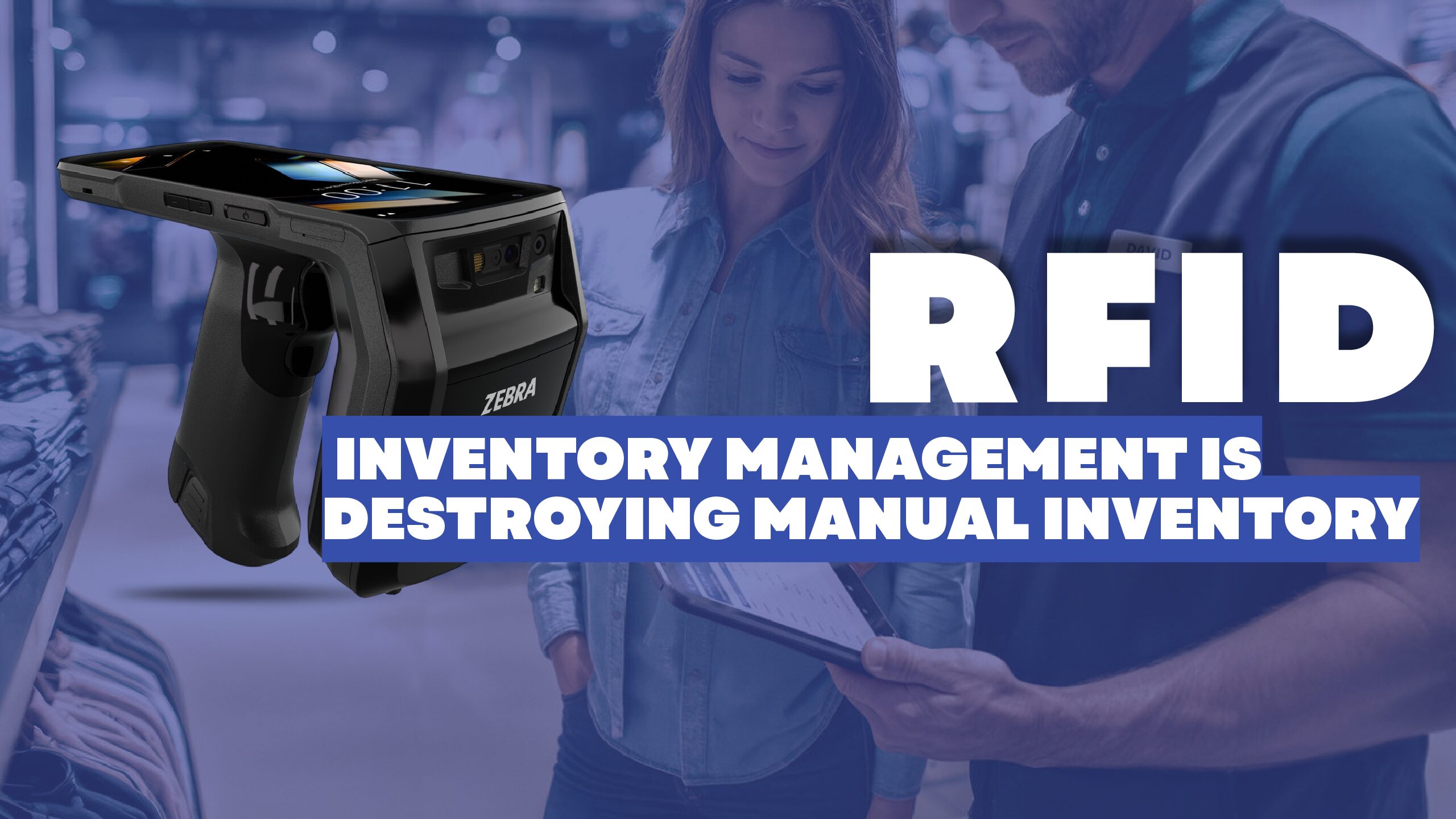
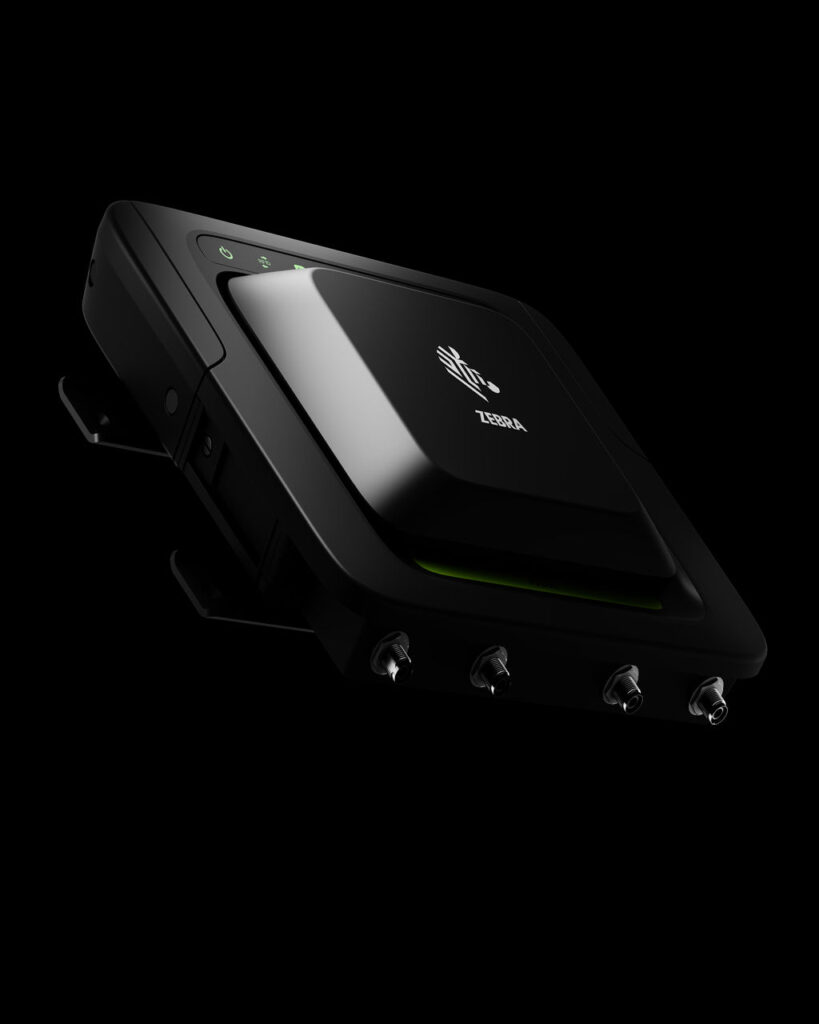
With the new Zebra TC22R Mobile Computer, businesses can maximize asset tracking with an all-touch handheld RFID reader built for speed, accuracy, and ease of use. Its lightweight design helps teams scan inventory faster, with less fatigue and more reliable long-term performance.
At MultiSystems, we help businesses bring RFID into their day-to-day operations. By integrating RFID technology with our software solutions, we enable faster inventory tracking, improved accuracy, and greater operational visibility. From implementation to support, we’re here to help you modernize your processes and achieve better results.
Every operation is different, which is why we also develop customized RFID solutions tailored to your specific use case, workflows, and business requirements. Whether you need asset tracking, inventory management, work-in-process visibility, or a unique application, our team can design and implement a solution that fits your operation.
If you want to learn more about how RFID inventory management improves accuracy and visibility, click here.
